How Do You Know If Art Is Good?
It’s a question we get all the time at our art gallery in Cleveland, Framed Art Gallery.
Understanding Art
The skepticism makes sense. When you walk into a gallery or museum, it can be intimidating. There’s an instinct that if you don’t have context–references to history, extra knowledge of theory, connections to the industry–that there must be a test you didn’t study for.
Good Art Creates Connection
Great work doesn’t privilege insider knowledge. It doesn’t kick you out if you can’t pronounce phenol red. What good art does require is a little bit of time.
Speaking from experience, you’ll know it when it speaks to you.
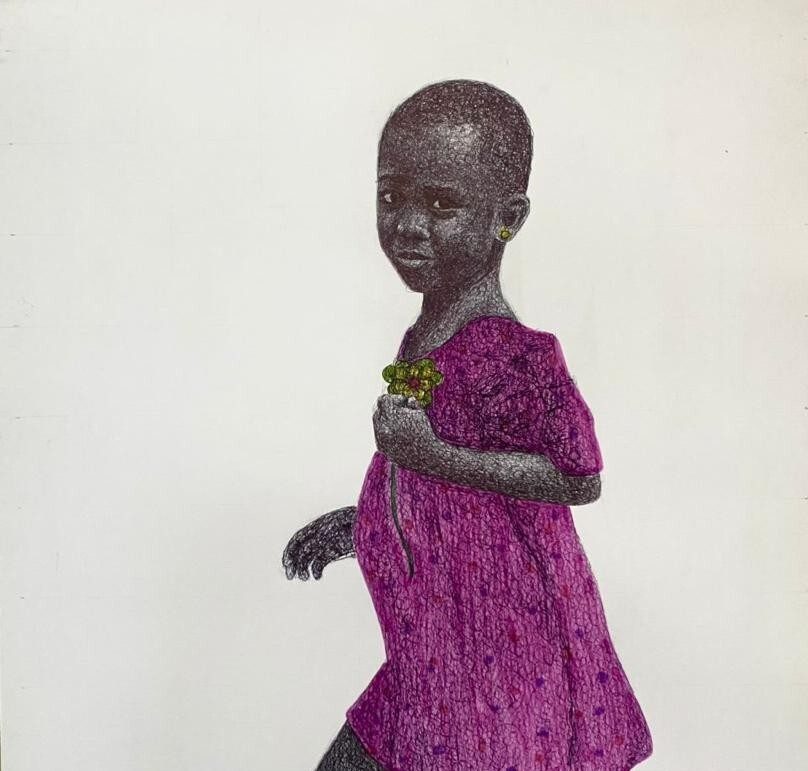
You enter a room and see something that demands your attention. It’s rare to know right away *why* it grabs you, but you know it’s there. Maybe it’s the color palette. Maybe it’s the eyes of the subject looking back at you. Maybe the piece feels rhythmic, or textural. Suddenly your day is bookmarked by this moment in time when you stood in front of this work of art.
When Artwork Grows on You Over Time
You see a piece that wasn’t your favorite at first. But the more you look at it, the more you see. The colors change when you’re in different seasons. You notice something new every time you walk into the room. What once felt mysterious becomes familiar. Familiar becomes layered. Layered becomes significant.
This might be the true test of good art: you can go back again and again.
What Makes It Worth Collecting?
Friends ask us how we know when we’ve found something good. And the truth is, great art keeps on giving.
Whether that looks like conceptual depth, complexity in technique, or just endless interpretations. You know you’ve found something special when you can return to the artwork over and over without feeling like you’ve consumed everything there is to learn.
Techniques Speak for Themselves
Artists spend years cultivating how their works are portrayed.
How paint applies to a canvas. How shapes and forms interact with one another. How composition creates balance, movement, and pacing. Every artist has a unique visual language, which is developed through years of practice and intention.
While you might not mentally dissect each technical piece of a work of art, you can sense when years went into crafting something.
It may not always be polished or perfect. In fact, some of your favorite pieces may look “unfinished” or abstract. That’s where your preference in tone and style comes into play. But even the scratchiest painting has an energy that feels deliberate.
You know when someone knows what they’re doing. And you can feel it when an artist understands why they’re doing it.
The Power of Diasporean Art
Art doesn’t exist outside of culture, memory, location, and history. Oftentimes artists pull from their own identity, ancestral stories, or larger conversations happening in the world around them. Learning about where the artist has been and where they’re going can inform how you understand the work.
Art is not a Right or Wrong Question: It is Personal
Walk into any gallery with 10 people. Those 10 people will probably walk out with varying opinions on what they liked best. One person might connect with large scale abstract painting. Someone will likely be enamored by portraiture. Others will be drawn to collage or painting or sculpture.
When you stop trying to determine if art is good or bad, you can begin to have conversations with the work in front of you. When you step into an art gallery without expectations, something allows you to be receptive to what calls to you.
Collecting Art That Fits Your Life
We’ve sat with many people who feel like they should buy a certain way. Should invest in artists that have become pedigree. But something about your spirit won’t settle until you find that connection.
And the best art collections are built around those relationships.
The paintings that people literally hang in their home for years feel less purchased and more homegrown.
It becomes a part of your life. Sure, you might hang it in your hallway and pass it by every day but come midnight that painting will be staring at you. Throw some texture near it and see how they interact with each other. Let someone else visit your home and lean in to examine that painting you love. The longer you live with art, the more it weaves itself into your life.
Art collecting shouldn’t be a guessing game of what will fit in your house.
Experience Framed Art Gallery
Here at Framed Gallery , we love watching people fall in love with art.
We see folks walk through the door every day wondering how they’ll know when it’s the right painting for them. They’ll slowly make their way through our gallery. We’ve seen people loop through our entire gallery just to start again. And then it happens. They find themselves standing in front of a painting, feeling an unexpected pull to see what unfolds as they decipher art.
If you’re searching for art that’ll resonate with your home, I’ll give you the same advice I give my guests.
Be open to the art that pulls you back. The artists that speak to you time and time again. When you stop and really look at a piece, you’ll know it when it knows you.
How to Know If It’s the Right Piece
The next time you wonder if something is “good” art, try asking:
If you answered yes to these questions, you already know the answer.
Find Art That Speaks to You at Framed Gallery in Cleveland
If you’re searching for meaningful artwork, including African American and diasporan art that will inspire, stop by our gallery today. We are conveniently located in the Waterloo Arts District in Cleveland. Enjoy the experience of finding artwork that you connect with.